Portfolio posture
Operational
Representative
Watchtower OS
Watchtower OS connects infrastructure knowledge, documentation, operational priorities, and executive visibility—supporting the lifecycle after systems go live. Public pages show representative capability; the authenticated platform remains private.
Infrastructure + operating layer
It connects and strengthens infrastructure knowledge, documentation, system context, preventive maintenance, operational workflows, incident visibility, executive reporting, and lifecycle coordination—after accountable delivery.
Understanding the platform
Five questions answered directly before any interface is shown.
Watchtower OS is Watchtower’s proprietary operating layer for the infrastructure it delivers. It holds the property record, the documentation, the service history, and the operational context for supported properties — so the environment stays understandable long after installation.
Because the alternative was losing the property. Drawings live with one firm, device lists with another, service history in email, and operating knowledge with whoever happened to be on site. Watchtower built the platform so the operating record belongs to the property.
Watchtower delivery and service teams use it to run the work. Ownership and property teams use it for visibility into their infrastructure, documentation, and program activity. It is a private operating environment — public pages describe capability rather than exposing customer data.
Watchtower OS does not replace infrastructure delivery. The pathways, cabling, network, and systems are still engineered and installed in the field. The platform is what keeps that physical environment documented, serviceable, and accountable afterward.
Every capability on this page carries a status. Items marked as operating today are in use within the platform. Representative previews illustrate structure without showing customer information. Items marked as direction describe where Watchtower is heading — including AI-assisted monitoring capability that is not operating today.
Capability map
Every capability below carries a status. Current capability is never presented as roadmap, and roadmap is never presented as current capability.
The surfaces leadership and operators use to see what is happening across supported properties.
A portfolio-level view of active properties, programs, service activity, and items needing attention.
One aggregated operating picture across properties, service work, incidents, and infrastructure status.
Structured intake, review, notes, evidence, and escalation for operational events at supported properties.
A working queue for reviewing events, coordinating verification, and moving items toward resolution.
Customers, buildings, spaces, and infrastructure held as a durable record rather than scattered files.
The organizations, sites, and buildings Watchtower supports, held as one connected record.
What is installed where — the equipment and infrastructure that make up the property environment.
A structured representation of properties, buildings, and spaces so systems can be understood in context rather than as a device list.
Plans, spaces, and coverage relationships that show how systems map to the physical property.
Context for the security, access, network, and building systems installed at the property.
Visibility into network infrastructure and connected devices, to the depth the installed environment supports.
Direct integration with UniFi environments for device inventory and network context where deployed.
Records and operating context for the surveillance systems installed at supported properties.
Operating context for access control, intercom, visitor entry, and gate systems at the property.
Context for AV, digital directories, EV charging, and related connected property systems where installed.
Health and status signals surfaced from the environment so attention goes where continuity matters.
The work that keeps infrastructure healthy after installation day.
Service work tracked from intake through dispatch, completion, and record.
Scheduled maintenance planning tied to the assets and systems actually installed at the property.
Enrollment, scheduled tasks, and activity history for the recurring programs a property is covered by.
Assignment, scheduling, and field completion for technicians in the field.
Equipment tracked across install, service, and replacement planning so lifecycle decisions are informed.
The records ownership and operating teams rely on over the life of the asset.
Documents, records, and operating context organized against the property rather than a shared drive.
Proposed work and scope captured against the property record.
Reporting for ownership and asset management on program activity and infrastructure status.
Connecting recurring program coverage to billing and service records inside the platform.
Tracking materials and spares against service work and property needs.
How the platform assists decisions today, and where Watchtower is taking it next.
Guidance drawn from the property’s own operating context, with recommendations tied to evidence and human review retained.
Early visibility into development activity so infrastructure planning conversations can start before construction.
Extending the delivery and support model through qualified partners as the network is built out.
Anticipating infrastructure issues from accumulated operating history rather than reacting to failures.
A longer-term direction toward AI-assisted monitoring and regional operations capability. This is where Watchtower is heading — it is not a service operating today.
Spatial context
Property through lifecycle—spatial levels support operating context. Public visuals are representative and do not expose private customer data.
Property, building, floor, room, device, asset, record, and lifecycle—each level of physical context becomes an operable digital record.
Operational intelligence
Events, assets, alerts, health, access, security, networks, work, documentation, and maintenance context are organized so operators and leadership share one operating picture. Representative previews illustrate structure—not live customer operations.
Operational Intelligence sits between Infrastructure Intelligence and Watchtower OS—turning events, assets, alerts, health, access, security, networks, work orders, documentation, maintenance, analytics, and AI insights into executive decisions.
Operations visibility
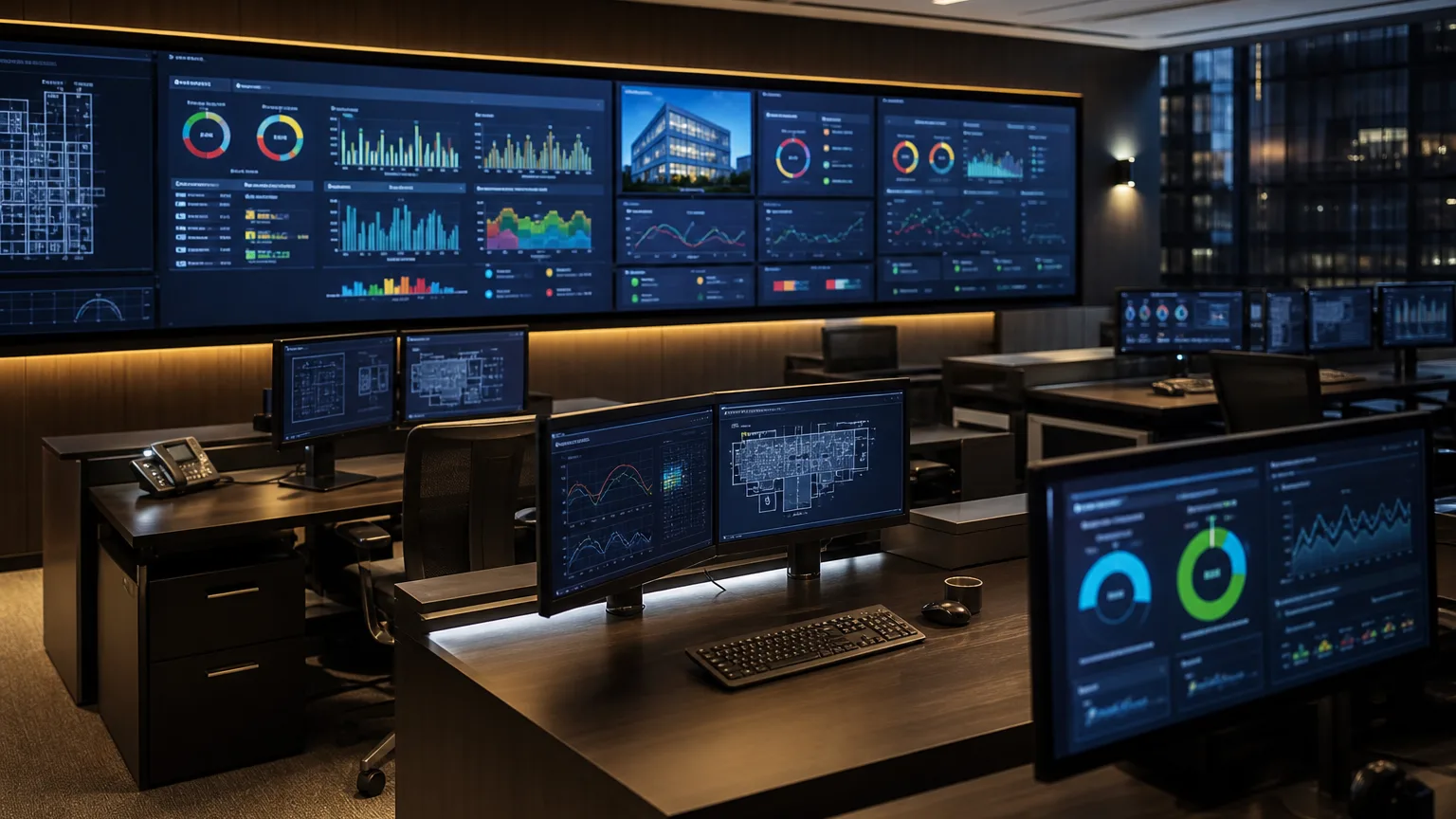
Alerts, work orders, and service context connect field work to executive oversight. Surfaces shown publicly are representative product structure.
Executive visibility
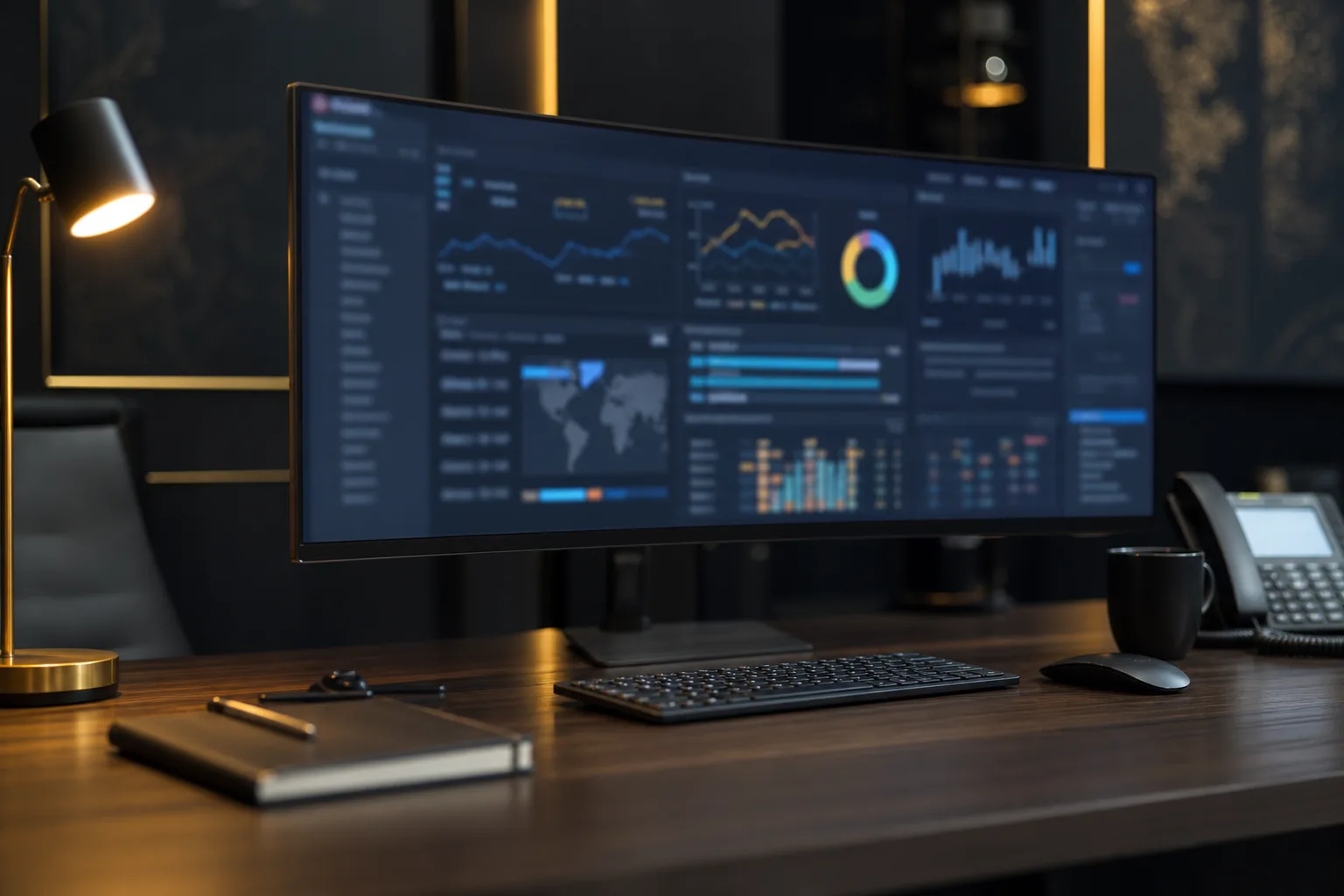
Communities, buildings, health, programs, incidents, work orders, maintenance, and reporting are presented as one command model in the product vision. Public panels remain labeled representative previews.
Communities, buildings, infrastructure health, service programs, incidents, work orders, preventive maintenance, asset lifecycle, executive KPIs, and AI Advisor—presented as one command surface.
Executives askWhy Watchtower OS?
Watchtower OS turns infrastructure and operations into executive visibility, lifecycle continuity, and governed insight.
Continue into the executive diagram below for the full operating model.
Watchtower OS · Executive Showcase
Explore representative Watchtower OS surfaces. Every panel is illustrative product structure—never private customer data.
Portfolio-level operating context for leadership oversight.
Representative preview. Labels and states are illustrative. No live customer information is displayed.
Lifecycle stewardship · Future direction
Watchtower OS is designed for evidence-backed operational intelligence, asset lifecycle records, and preventive maintenance continuity. Long-term direction includes AI-assisted monitoring as the platform matures—without implying nationwide monitoring operations are already live.

Owners, operators, technicians, and leadership share one operating context—built on the infrastructure Watchtower plans and delivers.
Executive visibility into partnership scope, continuity, and stewardship context.
Preconstruction through turnover continuity—documentation and readiness that survive handoff.
Structured workflows for day-to-day infrastructure and service coordination.
Field context, maintenance planning, and project knowledge without scattered records.
Role-based oversight across buildings, communities, and operating priorities.
Marketing pages describe platform capability categories only. No private operational data, customer records, or live facility telemetry are published here.
Watchtower OS is framed around the practical needs of commercial property operations—not a catalog of software features.
Keep design intent, system records, and handoff knowledge organized for the teams who manage the property over time.
Maintain a clearer view of the systems and assets that support security, connectivity, and building operations.
Support proactive care of infrastructure by connecting operational needs with lifecycle planning discipline.
Help field and operations teams work from shared context instead of fragmented notes and disconnected systems.
Preserve decisions, coordination history, and program context so future work builds on what already exists.
Establish structured operational foundations so future intelligence capabilities can build on organized information—not chaos.
Common questions
Interface previews on this page are illustrative. They show how information is organized — they do not display live customer information.
Watchtower OS is the operating layer for infrastructure Watchtower delivers and supports. It is provisioned as part of a Watchtower relationship rather than sold as standalone software.
No. The physical environment is still engineered, installed, and commissioned in the field. The platform is what keeps that environment documented, visible, and serviceable afterward.
No. Watchtower operates contracted coverage programs for specific properties during defined windows. A broader AI-assisted monitoring capability is a long-term direction, not a service operating today.
No. Interface previews on public pages are illustrative and show structure only. The authenticated platform remains a private operating environment.
Guidance in the platform is grounded in the property’s own operating context, with recommendations tied to evidence and human oversight retained. Watchtower does not present autonomous decision-making as a current capability.
Next · Lifecycle Programs
Watchtower OS is provisioned as part of a Watchtower relationship. A strategy consultation is the practical way to see how it would map to your portfolio.
Next · How we deliver
The Watchtower Method is the nine-stage lifecycle that delivers and sustains the model.
When the operating layer is clear, continue into how Watchtower delivers—or start a strategy conversation.