
Watchtower AllianceIntelligent Infrastructure. One Accountable Partner.

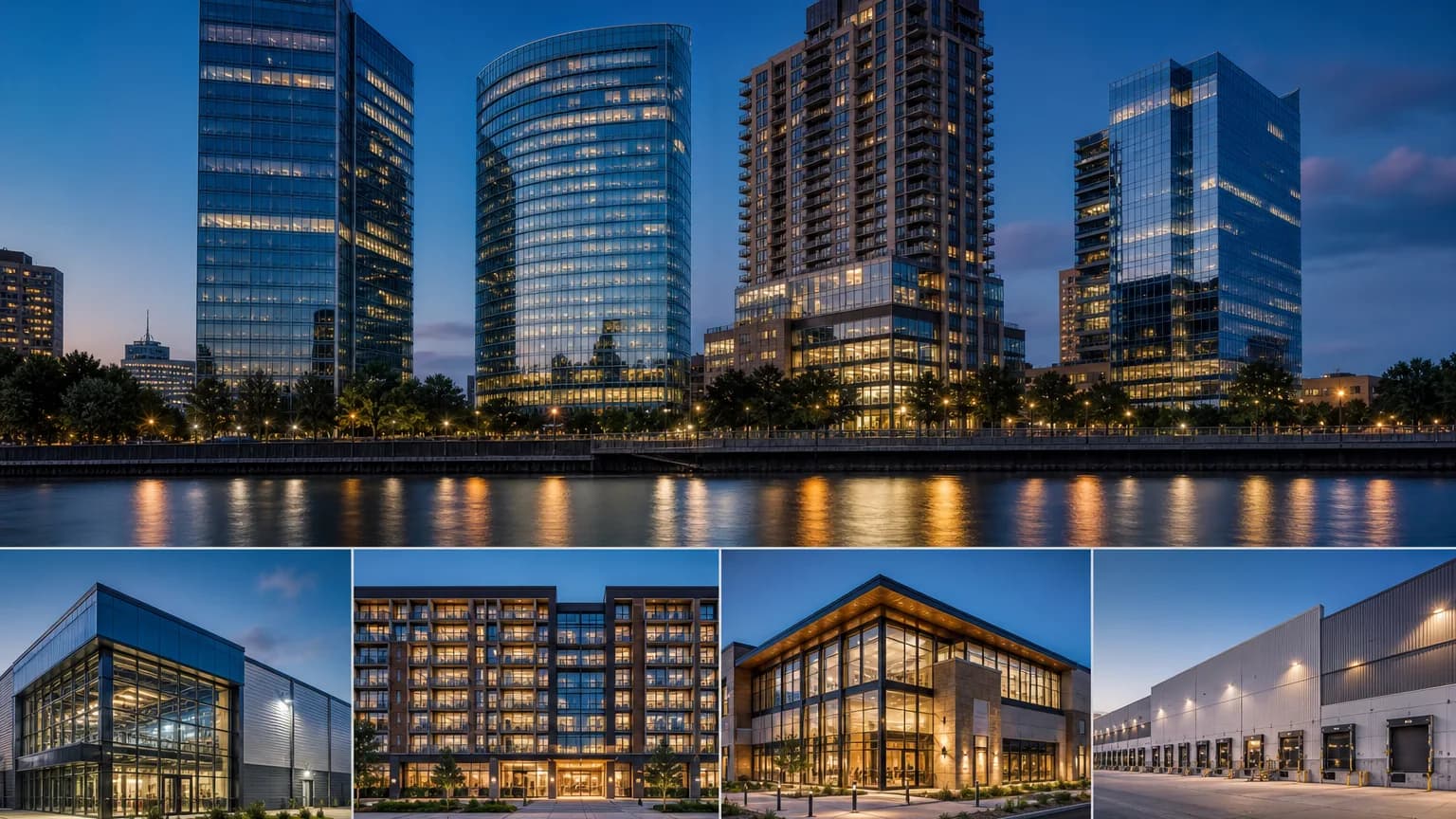
Portfolio of completed commercial properties at twilight representing representative programs

Projects

Evidence of how Watchtower delivers—without invented results.

These examples show how Watchtower plans, integrates, commissions, documents, and supports property technology. They are representative engagement patterns—not fabricated case studies—and confidential details stay private.

How we present projects

Representative programs. Honest structure.

These examples use a consistent delivery framework so executives can compare how Watchtower plans, integrates, and supports infrastructure. Client identities and confidential details stay private unless authorized for publication.

  • Labeled as representative or anonymized when not a public case study
  • Confidential details stay in strategy consultation
  • Photography is representative unless customer-approved
  • Outcomes appear only when verified and approved

Representative engagements

One structure. Three property environments.

Each example follows the same stages—from environment and challenge through operations—so leaders can compare delivery clarity, not slogans.

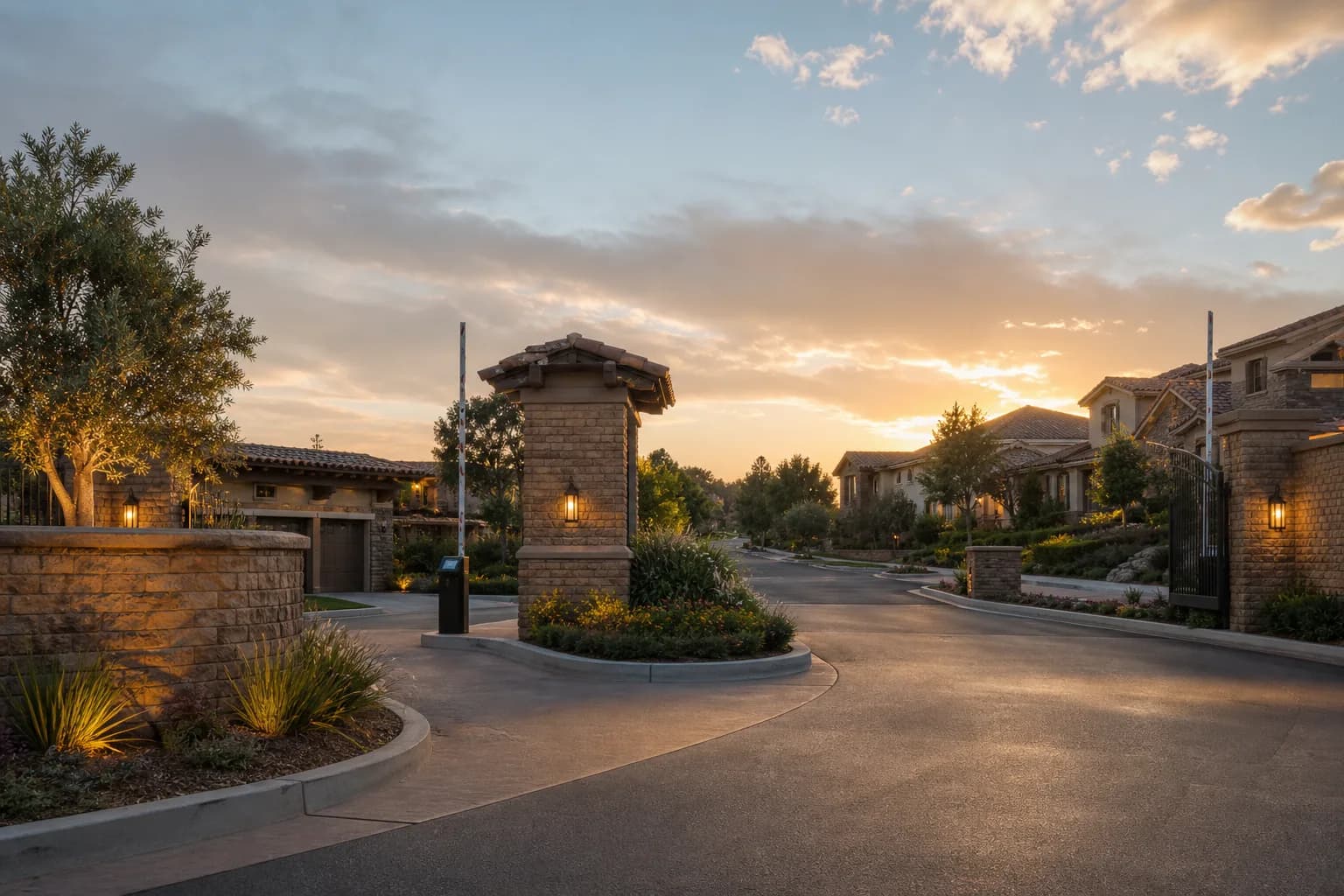
  1. Representative gated community entrance with landscaped vehicle approach and security infrastructure
    Representative environment imagery for HOA / Gated Community. Not claimed customer photography.

    Deployment Story

    Gated Community Infrastructure Modernization

    HOA / Gated Community · South Florida

    1. Entry, amenity access, and operational visibility were fragmented across vendors—creating board oversight gaps and daily friction.

    2. Watchtower mapped community operations, entry workflows, and infrastructure constraints before recommending a unified program. Integrated vehicle identification, intercom workflows, gate control, amenity access, and network continuity under one architecture.

    3. Lifecycle stewardship continues under one accountable partnership after go-live, with documentation ownership teams can operate.

    4. Leadership inherits clearer accountability and documented continuity instead of a vendor chain to manage after go-live.

    Project Outcome Summary

    Ownership value from the engagement pattern.

    Gated Community Infrastructure Modernization

    Leadership inherits clearer accountability and documented continuity instead of a vendor chain to manage after go-live.

  2. Representative Class-A commercial office courtyard and glass curtain wall entrance plaza
    Representative environment imagery for Commercial Real Estate. Not claimed customer photography.

    Deployment Story

    Commercial Office Intelligent Infrastructure Upgrade

    Commercial Real Estate · Boca Raton, Florida

    1. Fragmented building technology across entrances, parking, common areas, and back-of-house created ownership and continuity risk.

    2. Portfolio-aware assessment prioritized pathways, access, security posture, and lifecycle serviceability. Unified strategy across networking, structured cabling, access workflows, and security as one infrastructure program.

    3. Managed partnership continues after commissioning so operators inherit continuity instead of a vendor list.

    4. Operators inherit a coherent foundation designed for expansion, serviceability, and long-term stewardship.

    Project Outcome Summary

    Ownership value from the engagement pattern.

    Commercial Office Intelligent Infrastructure Upgrade

    Operators inherit a coherent foundation designed for expansion, serviceability, and long-term stewardship.

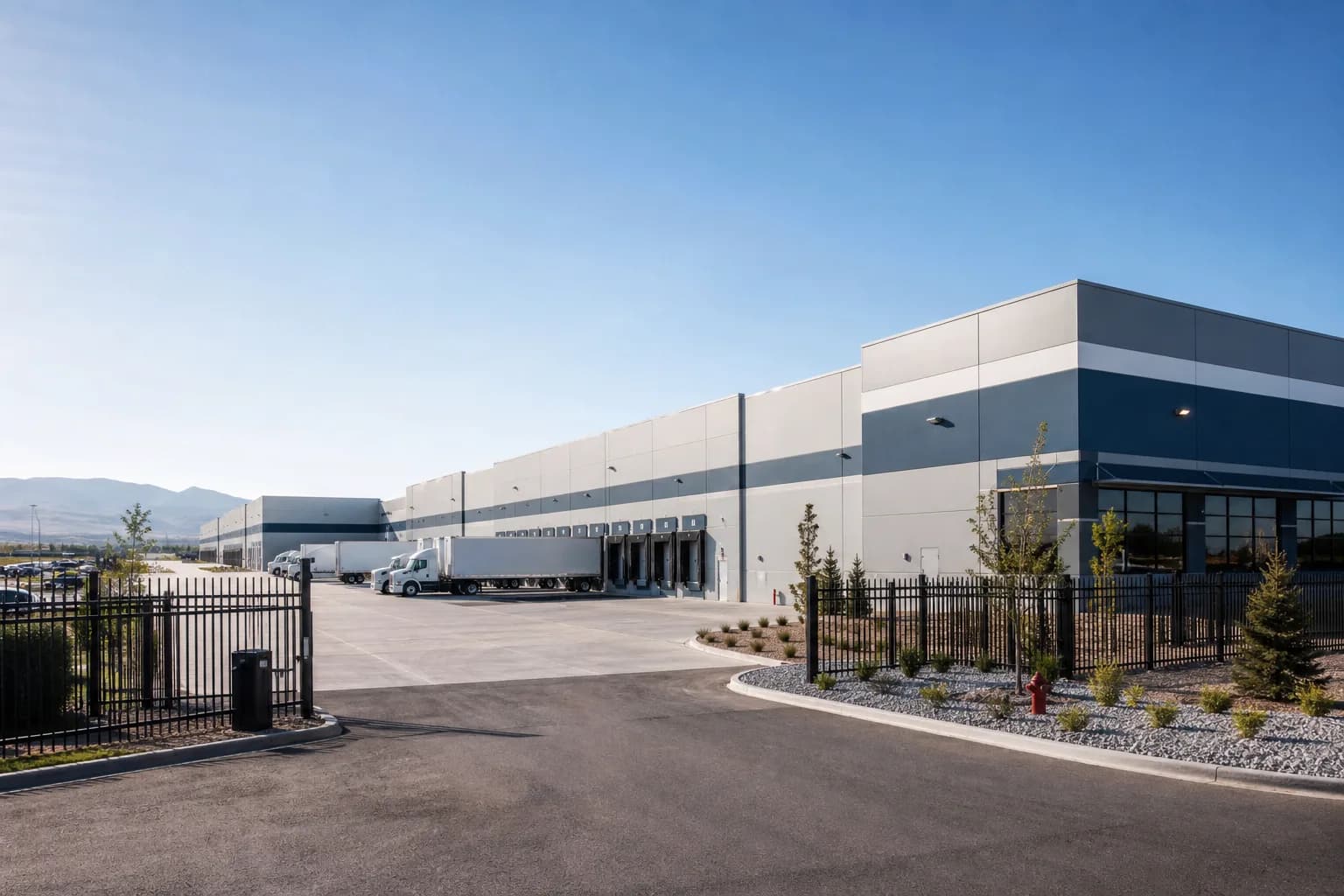
  3. Representative industrial logistics warehouse with truck courts and loading docks
    Representative environment imagery for Industrial & Logistics. Not claimed customer photography.

    Deployment Story

    Industrial Logistics Infrastructure Program

    Industrial & Logistics · Southeastern United States

    1. Multi-zone logistics operations needed resilient networking, controlled access, and perimeter awareness without vendor fragmentation.

    2. Site zoning, continuity requirements, and gate workflows informed a scalable infrastructure plan. Enterprise network architecture, controlled entry, communications, and situational awareness designed as one system.

    3. Service continuity and documentation stewardship remain with one partner after operational zones go live.

    4. Facility teams inherit documentation and continuity under one accountable partner across operational zones.

    Project Outcome Summary

    Ownership value from the engagement pattern.

    Industrial Logistics Infrastructure Program

    Facility teams inherit documentation and continuity under one accountable partner across operational zones.

Delivery perspectives

How planning, systems, and operations come together.

Illustrative views of infrastructure planning, technology layers, operational intelligence, and lifecycle support—ready for approved project detail when authorized.

Infrastructure Planning Example

Planning decisions that protect operability.

Representative planning discipline—not a claimed customer scorecard.

  1. Technology spaces and pathway capacity decided with the design team
  2. Fiber and structured cabling intent before finishes conceal options
  3. Power, UPS, and rack readiness aligned to connected systems
  4. Trade coordination milestones documented before construction locks rooms

Technology Stack Overview

Six layers. One accountable model.

How property infrastructure becomes executive visibility—through coordinated systems and Watchtower OS, not a product catalog.

  1. PropertyOperating environment and ownership context
  2. Infrastructure IntelligencePathways, fiber, rooms, power, cabling, backbone
  3. Connected SystemsAccess, security, networking, communications
  4. Operational IntelligenceEvents, health, work, documentation, insight
  5. Watchtower OSOperating layer and executive visibility
  6. Executive VisibilityLeadership decisions on operational context

Operational Intelligence Example

Signals become executive decisions.

Operational Intelligence sits between Infrastructure Intelligence and Watchtower OS. Illustrative structure for how signals become operating priorities.

  • Events
  • Assets
  • Alerts
  • Health
  • Access
  • Security
  • Networks
  • Work Orders
  • Documentation
  • Maintenance
  • Analytics
  • AI Insights

Infrastructure Intelligence → Operational Intelligence → Watchtower OS → Executive Decisions

Asset Lifecycle Example

Assets remain operable records over time.

Representative lifecycle path for proof and proposals—filled with approved program detail when available.

  1. InstallAsset enters the property record at commissioning
  2. DocumentLocation, system context, and ownership documentation
  3. MaintainService history attached to the asset—not a vendor inbox
  4. OptimizeReplacement and expansion informed by real operating context

Preventive Maintenance Example

Maintenance continuity as an operating practice.

How Watchtower approaches maintenance continuity after go-live—without publishing unverified response times or completion rates.

  • Maintenance tied to asset and system context—not orphaned tickets
  • Documentation available to technicians and ownership alike
  • Preventive work planned from the operating record, not tribal knowledge
  • Continuity remains with one accountable partner after go-live

Executive Dashboard Snapshot

How leadership visibility is organized.

The panels leadership works from in Watchtower OS, described by purpose. Property values stay inside the private operating environment.

Watchtower OSStructure shown · not customer data
  • CommunitiesEvery supported property in one portfolio view.
  • Infrastructure HealthWhere systems need attention before they fail.
  • Work OrdersService work from intake through completion.
  • Preventive MaintenanceScheduled visits against installed assets.
  • Program CoverageWhich programs each property is covered by.
  • AI AdvisorEvidence-backed guidance from the property record.

Proof architecture

Evidence patterns you can evaluate.

These examples show how Watchtower structures planning, documentation, commissioning, lifecycle, maintenance, construction coordination, and executive reporting. They are representative delivery patterns—not claimed customer results.

  • Clearly labeled as representative examples
  • No fabricated customer names or testimonials
  • No invented performance metrics
  • Confidential project detail stays in strategy consultation

Project evidence

How we structure what executives can evaluate.

Representative engagement structure—environment, challenge, response, and ownership value—without fabricated endorsements.

Representative example · not a claimed customer result

  1. Representative environment and challenge stated clearly
  2. Planning and delivery response described without slogans
  3. Ownership value framed as continuity and accountability
  4. Client identity confidential unless authorized for publication

Documentation example

Documentation ownership teams can actually use.

Representative documentation philosophy—pathways, relationships, and operating notes treated as an asset.

Representative example · not a claimed customer result

  1. Pathway and technology-space intent captured for operators
  2. System relationships documented—not device serial dumps alone
  3. Commissioning notes tied to how the property will be run
  4. Handover package usable by ownership and service teams

Commissioning example

Commissioned as an operable whole.

Representative commissioning discipline—ownership inherits readiness, not unresolved integration debt.

Representative example · not a claimed customer result

  1. Integrated testing across access, security, network, and related systems
  2. Punch and open items closed before ownership inherits risk
  3. Acceptance criteria tied to operability—not install completeness alone
  4. Training and turnover aligned to documented operating context

Lifecycle example

Accountability that continues after go-live.

Representative lifecycle pattern—assets, service continuity, expansion, and optimization under one partner.

Representative example · not a claimed customer result

  1. Assets remain serviceable records after turnover
  2. Expansion planned against known capacity and standards
  3. Service continuity under one accountable relationship
  4. Optimization informed by real operating context

Maintenance philosophy

Maintenance planned with system context.

Representative maintenance philosophy—continuity that does not depend on tribal knowledge after commissioning.

Representative example · not a claimed customer result

  1. Preventive routines mapped to systems and criticality
  2. Context preserved so technicians are not starting from zero
  3. Escalation paths stay with the accountable partner
  4. Documentation updated as the property evolves

Infrastructure planning example

Planning decisions that protect operability.

Representative planning discipline—rooms, pathways, power, and trade milestones before construction locks options.

Representative example · not a claimed customer result

  1. Technology spaces and pathway capacity decided with design
  2. Fiber and cabling intent before finishes conceal options
  3. Power and room readiness aligned to connected systems
  4. Trade milestones documented before construction locks rooms

Construction coordination example

Trades aligned to one infrastructure plan.

Representative construction coordination—GC, electrical, and low-voltage sequencing owned as one delivery model.

Representative example · not a claimed customer result

  1. Single infrastructure plan shared across GC and trades
  2. Pathway and room work sequenced before finishes
  3. Change communication owned—not left between vendors
  4. Field decisions recorded back into the operating record

Executive reporting example

Leadership visibility designed into operations.

Representative reporting intent—executive context without publishing private customer dashboards or inventing metrics.

Representative example · not a claimed customer result

  1. Portfolio and property context without private customer data on public pages
  2. Health, access, and service signals designed for leadership visibility
  3. Documentation and work context available to operators
  4. Reporting intent labeled representative until program detail is approved

Project evidence perspectives

Delivery dimensions

What a complete engagement covers.

These dimensions describe how Watchtower structures planning through lifecycle support. Project-specific detail appears only when approved for publication.

  • Planning

    Stakeholder alignment, pathway intent, technology spaces, and capacity decisions before construction locks options.

  • Engineering

    Low-voltage, fiber, rooms, power, and standards composed as one serviceable design package.

  • Construction Coordination

    Trade sequencing with GC, electrical, and low-voltage so pathways and rooms are built as designed.

  • Network Backbone

    Structured cabling and fiber backbone readiness for connected systems and future expansion.

  • Access Control

    Entry, credentials, and amenity workflows designed against the property’s operating reality.

  • Physical Security

    Security posture coordinated with networking, pathways, and operational coverage—not a standalone camera buy.

  • AI Readiness

    Capacity, documentation, and topology planned so analytics and automation have a trustworthy foundation.

  • Operations

    Handover documentation, service context, and accountability after commissioning.

  • Lifecycle Management

    Asset records, warranties, and stewardship continuity under one partner relationship.

  • Continuous Improvement

    Expansion and optimization informed by how the property actually operates over time.

Visual project structure

Delivery artifacts

What documentation looks like on an engagement.

Architecture, delivery, infrastructure, and lifecycle views are produced for every property. Property-specific detail stays confidential — these show the structure.

Architecture Diagram
Architecture diagram placeholderStructural placeholder for a property architecture diagram. No customer data.PROPERTY · INFRASTRUCTURE · SYSTEMS
Deployment Summary
EnvironmentProperty type, scale, and operating context
ChallengeWhat ownership needed the infrastructure to solve
DeliverySystems coordinated and how they were sequenced
OperationsSupport model carried forward after turnover
Ownership Reporting
System healthCondition across the installed environment
Program activityVisits, findings, and follow-through
Service historyRequests raised, resolved, and open
Lifecycle outlookEquipment approaching end of support
Infrastructure Snapshot
Infrastructure snapshot placeholderPlaceholder panel for sanctioned infrastructure visuals or diagram substitutes.
Timeline Summary
  1. Plan
  2. Engineer
  3. Build
  4. Commission
  5. Operate
  6. Improve

Next · Contact

Continue to Contact

Bring drawings, constraints, and operating goals.

Start a strategy conversation with a clear next step—not a generic brochure reply.

Schedule a Strategy Consultation

Discuss your property with Watchtower.

Bring drawings, an existing site, or a new development. Confidential program detail belongs in consultation—not on the public website.