Watchtower AllianceIntelligent Infrastructure. One Accountable Partner.

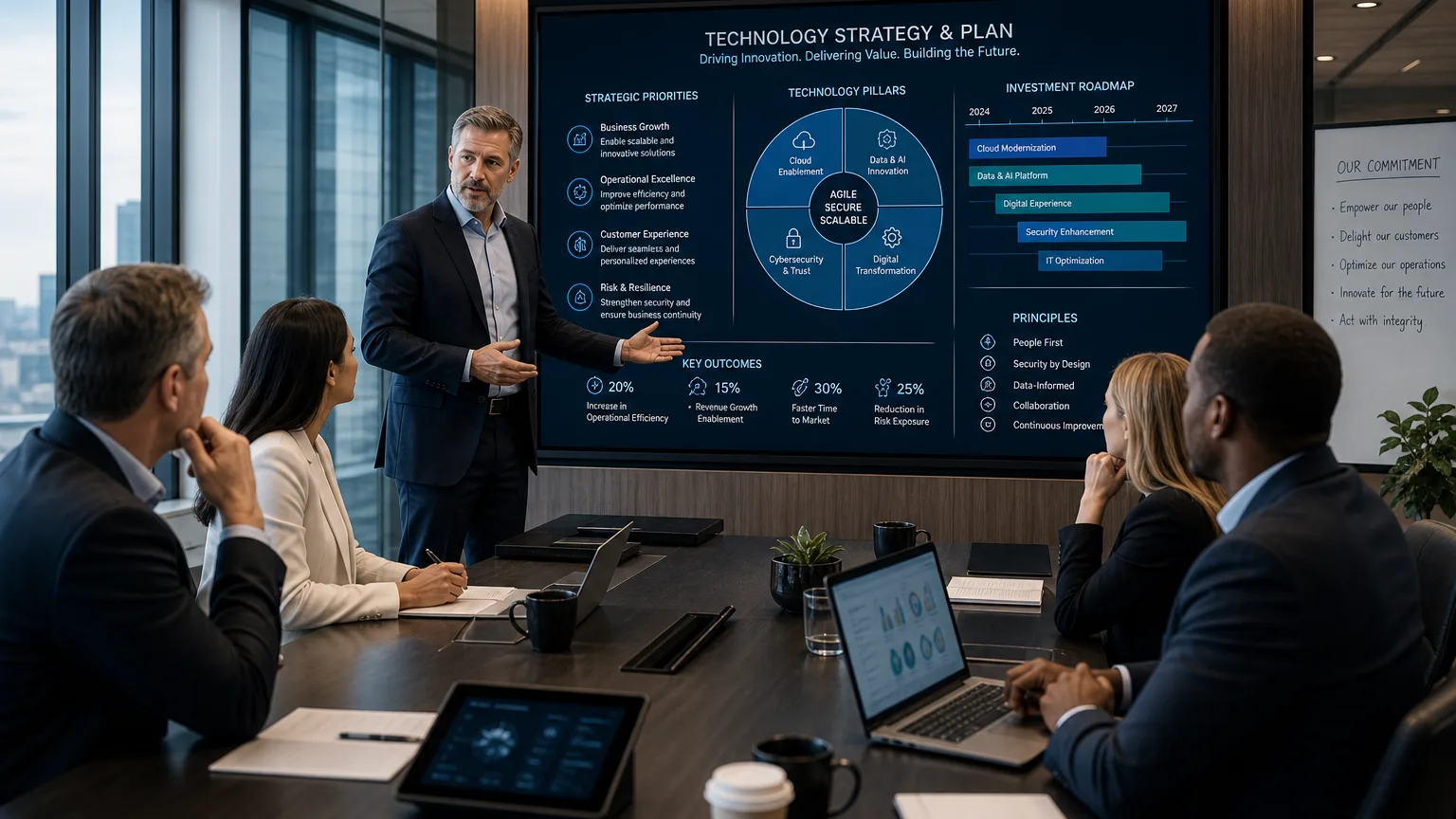
Executive leadership meeting focused on commercial real estate technology planning

About Watchtower Alliance

Built for properties that cannot afford fragmented technology.

Watchtower Alliance exists because intelligent infrastructure fails when it is planned late, awarded in pieces, and abandoned after installation. We bring planning, delivery, and lifecycle accountability into one partnership.

Why Watchtower exists

For 25 years, Watchtower has helped customers make building technology dependable. Technology infrastructure is too often treated as a late trade: pathways close, vendors work in isolation, handover is incomplete, and ownership inherits complexity. Watchtower exists to reverse that pattern—one accountable partner for planning, delivery, commissioning, documentation, and long-term operations.

What we believe

Intelligent infrastructure must be planned as one system. Integration, commissioning, and documentation are not optional extras—they are how a property becomes operable. Watchtower OS exists to extend that accountability into visibility and lifecycle coordination, not to replace the physical work.

Leadership

The people behind the partnership.

Watchtower pairs field-proven infrastructure leadership with commercial property and business-development experience. That combination keeps every technical decision connected to the people who own, operate, and rely on the building.

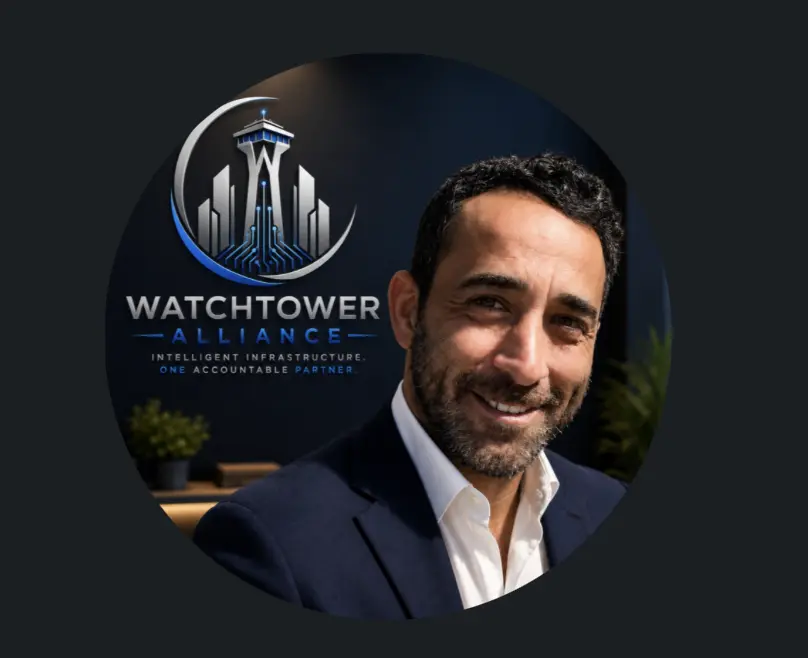
Oded Hachimi, Founder & Chief Executive Officer

Founder & Chief Executive Officer

Oded Hachimi

South Florida · 25+ years of infrastructure experience

Oded leads Watchtower from the field forward. His work connects fiber, structured cabling, enterprise networks, AI video, access control, intercoms, gates, and smart-building technology into one accountable infrastructure program. He sets the company standard: plan early, execute cleanly, document thoroughly, and stay engaged after turnover.

  • Fiber & low-voltage
  • Integrated security
  • Building operations
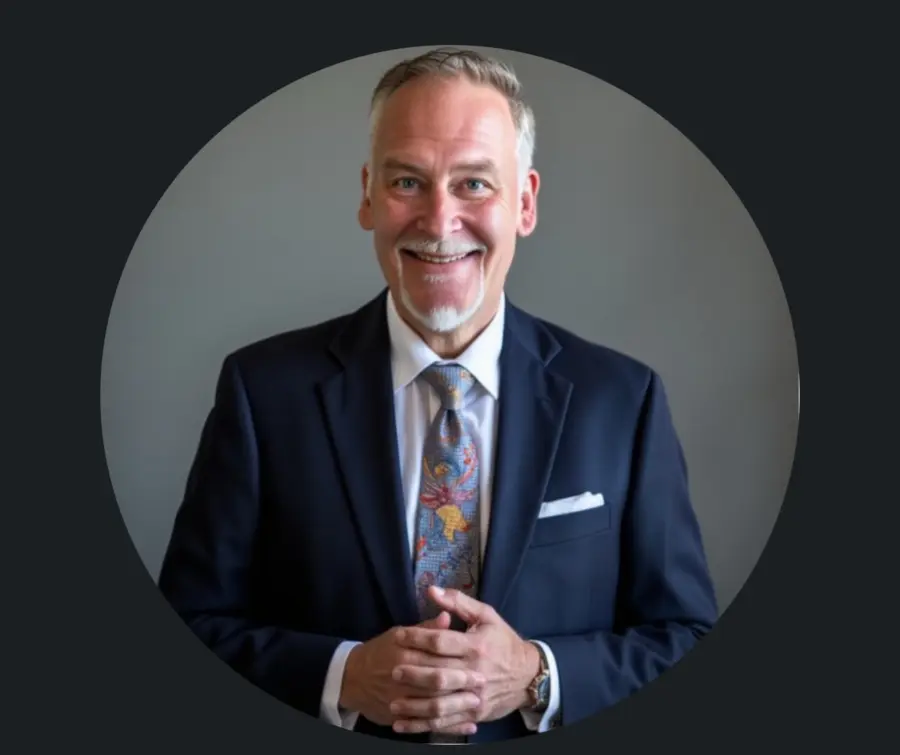
Todd Hicks, Strategic Business Development Manager

Strategic Business Development Manager

Todd Hicks

South Florida · Grand Valley State University

Todd brings experience across commercial business development, construction, property technology, and South Florida real estate. He helps developers, property managers, HOA leaders, and commercial owners connect operational goals to a clear infrastructure strategy—from the first conversation through site walks, proposals, and long-term partnership.

  • Developer relationships
  • Commercial real estate
  • Growth strategy

How we earn trust

Credibility through operational discipline.

Trust is earned through disciplined planning, documented delivery, and long-term accountability—not through marketing claims or borrowed credentials.

  • Clear ownership from planning through operations
  • Documentation treated as an operating asset
  • Commissioning before ownership inherits the systems
  • Partnership that continues after installation

Executive trust

Why should you trust Watchtower with your property?

Every serious engagement should answer these questions clearly—through process, documentation, field execution, and long-term accountability.

  • Can I trust this company?

    Watchtower is a founder-led infrastructure partner accountable for planning, delivery, and long-term operations—not a one-time installer.

  • Can I trust its process?

    The Watchtower Method sequences discovery, planning, deployment, commissioning, documentation, and stewardship under one accountable model.

  • Can I trust its leadership?

    Leadership sets non-negotiable standards for planning discipline, documentation quality, commissioning rigor, and post-installation partnership.

  • Can I trust its documentation?

    Documentation is treated as an operating asset—pathways, systems relationships, and decisions remain usable after turnover.

  • Can I trust its field execution?

    Installation, testing, and commissioning are delivered as one operable environment—not device drop-off across disconnected trades.

  • Can I trust it after construction?

    Engagement continues through operational handover, preventive maintenance, optimization, and future planning.

  • Can I trust it with a multi-property portfolio?

    Standards, documentation patterns, and lifecycle stewardship are designed to scale across buildings and ownership groups.

What ownership gains

Practical outcomes—not conceptual slogans.

Watchtower exists to change what ownership inherits: clearer coordination, fewer late surprises, operable systems, usable documentation, and a partner who stays accountable after go-live.

  • Better coordination

    Architects, GCs, electrical, and low-voltage trades work from one infrastructure plan instead of competing scopes.

  • Fewer change orders

    Pathways, rooms, power, and capacity are decided early—before construction locks options and forces late technology rework.

  • Simpler operations

    Access, security, networking, and visibility are designed for the teams who will run the property every day.

  • Cleaner documentation

    Ownership inherits usable records and system relationships—not scattered PDFs and installer tribal knowledge.

  • Long-term accountability

    One partner remains responsible after installation for stewardship, maintenance continuity, and future planning.

Executive Confidence

Trust built through operational discipline.

Governance, documentation, commissioning, and lifecycle ownership—presented as structure, not claims.

Confidence pillars

Executive Confidence

Technology Governance

Single accountable partner across planning, trades coordination, and ownership outcomes.

  1. Plan
  2. Coordinate
  3. Deliver
  4. Document
  5. Steward

Grounded in how Watchtower plans, delivers, and supports infrastructure.

How Watchtower delivers accountability

Enterprise Trust Framework

Operational credibility across the property lifecycle.

Our delivery standards remain consistent from initial planning through commissioning and ongoing support.

  • Lifecycle Governance

    One accountable model from planning through operations—so ownership does not inherit a vendor chain after go-live.

  • Documentation Philosophy

    Documentation is treated as an operating asset: pathways, systems, and decisions remain usable after turnover.

  • Operational Standards

    Infrastructure is designed for the teams who will run access, security, networking, and visibility every day.

  • Infrastructure Management

    Fiber, rooms, power, cabling, and connected systems are managed as one serviceable foundation—not isolated installs.

  • Preventive Maintenance

    Maintenance continuity is planned with asset and system context—not left to tribal knowledge after commissioning.

  • Knowledge Transfer

    Ownership and operations teams inherit clear handover context so continuity does not depend on a single installer.

  • Executive Reporting

    Leadership visibility is designed into the operating model through Watchtower OS—not disconnected vendor dashboards.

  • Long-Term Partnership

    Engagement continues beyond deployment through stewardship, optimization, and future planning.

  • Future Expansion Planning

    Capacity and pathways are planned so expansion and AI-ready systems do not require destructive retrofit.

Enterprise readiness

Enterprise Readiness

How Watchtower prepares properties for operable ownership.

Readiness is a discipline—from planning through AI-ready expansion—not a checklist of marketing claims.

  1. Planning DisciplineTechnology spaces, pathways, and coordination milestones are decided before construction locks options.
  2. Engineering CoordinationArchitects, engineers, GCs, electrical, and low-voltage trades align through one planning model.
  3. Quality AssuranceDelivery accountability covers installation, testing, and commissioning—not device drop-off.
  4. Commissioning PhilosophySystems are commissioned as an operable whole so ownership inherits readiness, not unresolved integration debt.
  5. Documentation StandardsAs-built context, system relationships, and operating notes are part of delivery—not an afterthought PDF dump.
  6. Operational HandoverHandover prepares property teams for daily operations under one accountable relationship.
  7. Lifecycle ManagementAsset and service continuity remain with Watchtower after go-live so the foundation stays operable.
  8. Continuous OptimizationOperating reality informs improvements—without restarting the vendor selection process for every change.
  9. Expansion ReadinessRooms, backbone, and capacity are planned for growth across phases and property types.
  10. Future AI ReadinessInfrastructure Intelligence and documentation create a trustworthy foundation for analytics and automation later.

Service delivery model

Service Delivery Model

One continuous operational methodology.

Assessment through continuous improvement—presented as a single accountable delivery continuum, complementary to the Watchtower Method’s nine stages.

  1. AssessmentUnderstand property context, constraints, and operating goals.
  2. PlanningAlign pathways, rooms, capacity, and stakeholder milestones.
  3. EngineeringCompose the low-voltage, fiber, power, and systems design package.
  4. DeploymentExecute coordinated installation across trades and zones.
  5. CommissioningValidate operability as one integrated environment.
  6. DocumentationCapture the operating record ownership teams can use.
  7. OperationsSupport daily accountability after turnover.
  8. Preventive MaintenanceSustain system health with asset-aware stewardship.
  9. Continuous ImprovementOptimize and expand from real operating context.

Delivery credibility

Executive Credibility

Credibility earned through process and accountability.

Watchtower builds trust through disciplined planning, documented delivery, and long-term ownership—without presenting unpublished certifications as credentials.

  • Representative Engagement Process

    Strategy consultation, planning alignment, coordinated delivery, and lifecycle stewardship under one relationship.

  • Project Governance

    Single accountable partner across planning, trades coordination, and ownership outcomes.

  • Executive Visibility

    Watchtower OS supports leadership visibility as the proprietary operating layer—when program details are approved for sharing.

  • Documentation Standards

    Documentation is a delivery requirement so continuity survives staffing and vendor changes.

  • Asset Traceability

    Assets are intended to remain operable records through install, service, and expansion—not orphaned devices.

  • Operational Continuity

    Partnership continues after commissioning so properties do not fall back into fragmented support.

  • Evidence-Based Delivery

    We publish only approved operational facts. Details that are confidential stay out of public pages.

  • Future Scalability

    Pathways and capacity are planned so connected systems—and future analytics—can expand without destructive retrofit.

Where we are taking the partnership

Our long-term vision pairs accountable infrastructure delivery with Watchtower OS—toward clearer operational visibility, stronger lifecycle coordination, and AI-assisted monitoring as the platform matures. Ambition stays precise: public pages describe capability and direction without presenting unfinished operations as already live.

Executives askWhat does a long-term partnership look like?

Stewardship from design coordination through ongoing service.

The Watchtower Method delivers nine lifecycle stages—so accountability does not end at commissioning.

  1. Discover

    Align outcomes and constraints

  2. Design

    Engineer the digital foundation

  3. Deploy

    Commission with operations in mind

  4. Operate

    Sustain continuity and visibility

  5. Evolve

    Expand as the asset changes

Next · Action

Continue to Action

Talk with the team accountable for long-term outcomes.

When readiness and ownership confidence matter, start the conversation.

Contact Watchtower

Bring your drawings, timeline, and operating goals.

Serious conversations start with the property—not a generic sales pitch. Tell us what you are building or modernizing, and we will recommend a clear next step.