
Real-estate developers
Engage during design so infrastructure requirements land in the drawings, not in change directives.
Schedule a Preconstruction Consultation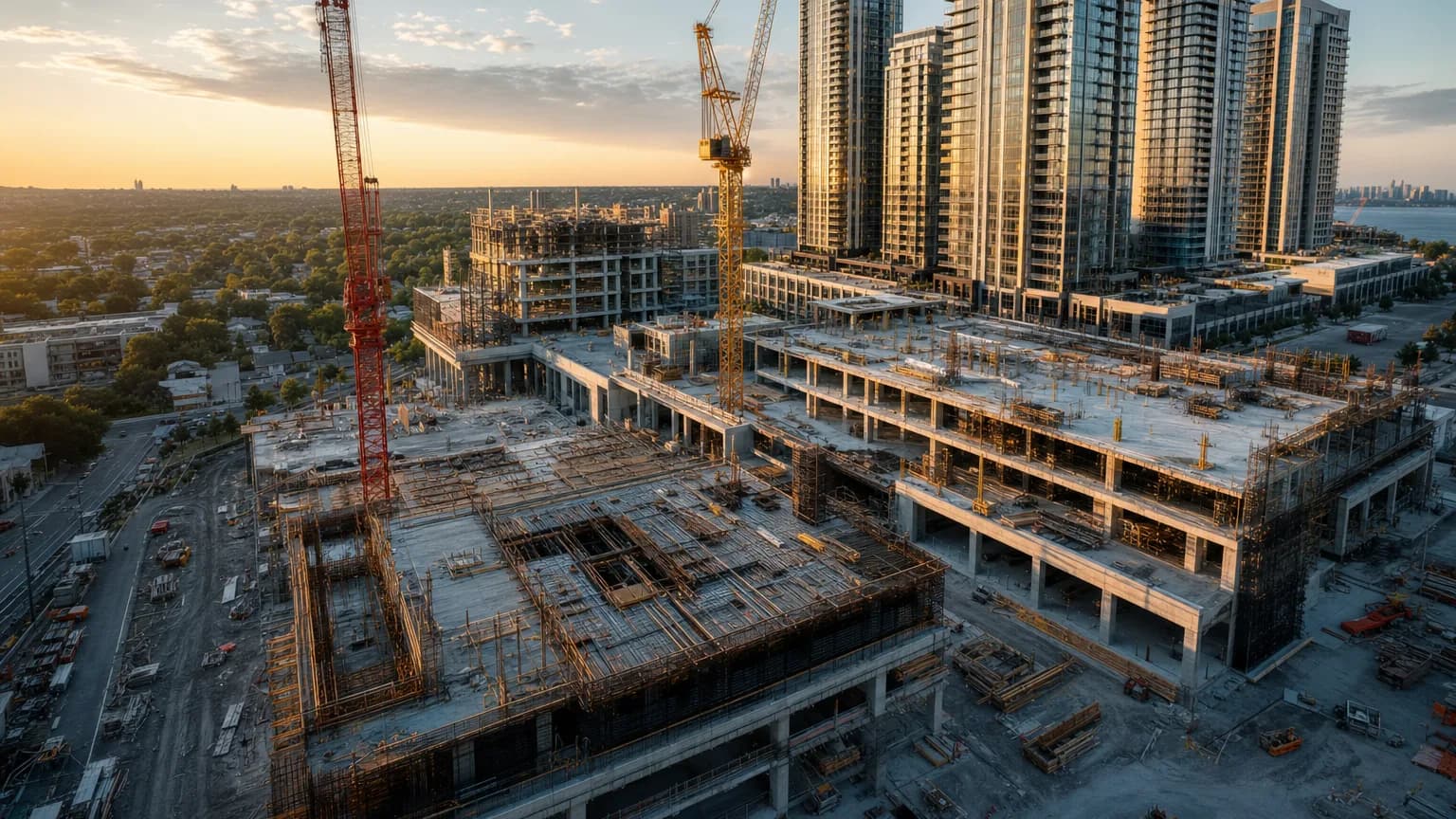
Developers & New Construction
Early infrastructure decisions protect ownership outcomes—better coordination, fewer change orders, cleaner documentation, and accountability after turnover.
Executives askWhy plan before construction?
Pathways, technology rooms, fiber, and capacity must be engineered with the building—not retrofitted after finishes conceal the choices that matter for decades.
Continue into the executive diagram below for the full operating model.
Why early involvement matters
Riser locations, technology-room size, conduit capacity, and backbone routing are settled during design. Once they are built, changing them means opening finished work. Early involvement is about getting those decisions right while they are still drawings.
Conduit and tray capacity is allocated as trades sequence through. Technology scope that arrives late finds the pathway already full.
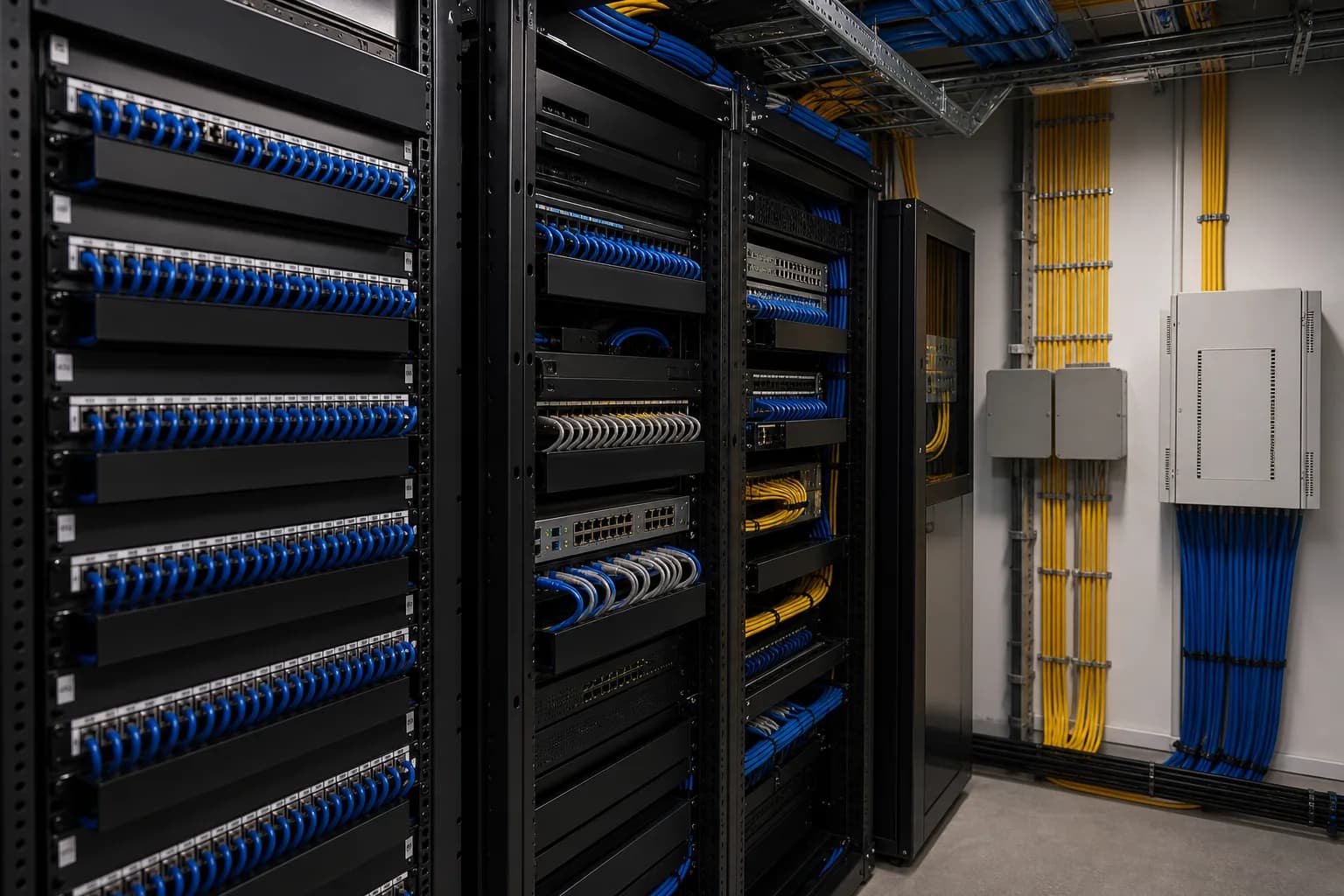
MDF and IDF spaces need location, footprint, power, and cooling planned against what will actually live in them — including future growth.
Cameras, access, intercoms, and building systems all expect network capacity and segmentation that has to exist before commissioning.
A development coordinated in pieces hands over in pieces. Documentation quality at turnover is decided long before turnover.
01 · Before the walls close
Watchtower engages developers, architects, engineers, general contractors, and operators early—so technology pathways are designed with the building, not after it.

Executive Diagram · Coordination
Developer, architect, engineer, GC, electrical, low voltage, Watchtower, and property operations—aligned before construction locks options.
Developer, architect, engineer, GC, electrical, low voltage, Watchtower, and property operations coordinated through one planning model before construction locks options.
02 · Infrastructure Intelligence in design
On development projects, Infrastructure Intelligence means pathways, fiber, MDF/IDF rooms, power, UPS, racks, and trade coordination are engineered before finishes conceal the decisions that matter for decades.
03 · Coordinate every connected system
Connected property systems are planned together—so entrances, gates, intercoms, networks, lighting, climate, energy, and operational tools do not compete for pathways or become isolated systems later.
04 · Deliver a property ready for operations
Delivery includes the records and operating context ownership teams need—not a pile of vendor manuals after the ribbon cutting.

Development lifecycle
From basis-of-design participation through commissioning, turnover, and the years after. Every phase produces something the next one depends on.
Phase 01
Understanding the asset, the operating intent, and the technology expectations before scope hardens.
Phase 02
Working alongside the architect, engineers, and GC so infrastructure requirements land in the drawings.
Phase 03
Turning the coordinated design into a buildable, reviewable package aligned to the construction schedule.
Phase 04
Field execution under one accountable relationship, coordinated with the general contractor and the other trades.
Phase 05
Proving the environment works as one system, and producing the records ownership will rely on.
Phase 06
Handing over a property the operating team can actually run on day one.
Phase 07
Staying accountable as the property operates, changes, and adds systems over time.
What development teams get
Coordinated low-voltage delivery does not eliminate risk from a construction project. It reduces the category of problems that come from nobody owning the space between systems.
Technology scope that is settled during design produces fewer surprises once construction is underway.
One partner coordinating the low-voltage trades reduces avoidable conflicts between overlapping scopes.
Risers, conduit, and technology rooms are planned and defended through the construction process.
Scope clarity during preconstruction helps the technology budget reflect what the property actually needs.
Systems selected and designed together are more likely to interoperate cleanly at commissioning.
Progressive testing and integrated commissioning help protect project readiness at the end of the schedule.
Documentation, training, and an established operating record make handover a transition rather than a scramble.
After occupancy, ownership has a single partner responsible for the infrastructure environment.
Capacity and standards planned for expansion mean future technology does not require destructive retrofit.
Developer Business Value
Clearer coordination earlier. Fewer late changes. A handover ownership teams can operate.
What ownership gains
Watchtower exists to change what ownership inherits: clearer coordination, fewer late surprises, operable systems, usable documentation, and a partner who stays accountable after go-live.
Architects, GCs, electrical, and low-voltage trades work from one infrastructure plan instead of competing scopes.
Pathways, rooms, power, and capacity are decided early—before construction locks options and forces late technology rework.
Access, security, networking, and visibility are designed for the teams who will run the property every day.
Ownership inherits usable records and system relationships—not scattered PDFs and installer tribal knowledge.
One partner remains responsible after installation for stewardship, maintenance continuity, and future planning.
Delay Cost
When technology is deferred, pathways, rooms, and continuity decisions become expensive change orders—or permanent compromises.
Conversion paths
Different roles need different first conversations. Each of these leads to the same team.
Engage during design so infrastructure requirements land in the drawings, not in change directives.
Schedule a Preconstruction ConsultationOne coordinated low-voltage partner to sequence against, with clear scope boundaries and submittals.
Discuss a DevelopmentTechnology spaces, pathways, and power requirements aligned with the building design during coordination.
Request a Plan ReviewA development that hands over documented, operable, and supported — with accountability that continues.
Schedule an Infrastructure Strategy MeetingCommon questions
Timing, scope boundaries, and what ownership receives at turnover.
Schematic design or basis-of-design is ideal. That is when riser locations, technology-room sizing, and pathway capacity can still be adjusted on paper. Watchtower also joins later in design or during construction, with the understanding that some options have already closed.
No. Watchtower coordinates the low-voltage environment and works alongside the electrical contractor, particularly on power, conduit, and UPS coordination for technology spaces.
Yes. Standards established in the first phase are designed to carry forward, so later phases build on documented decisions rather than restarting the coordination effort.
No, and we would not claim that. Construction generates change. Early coordination reduces the avoidable category — the changes that come from technology scope arriving after the pathways and rooms were already built.
As-built documentation, test results, system records, labeling that matches reality, and training. The operating context is also established in Watchtower OS so the record stays with the property.
Ownership and property management inherit a documented environment and an established support relationship. Lifecycle programs are available to continue maintenance, oversight, and service coordination.
Next · Infrastructure Intelligence
Continue into Solutions to see how pathways, fiber, technology rooms, and power become the property’s digital foundation.
A preconstruction consultation, a plan review, or an introduction to the project — whichever fits where you are.